Hot stone work sounds like spa menu decoration until you have had it on a cold, tired pair of feet in February. The stones are smooth, heated in water, and used as an extension of the technician's hands during the massage part of a pedicure. They hold heat far longer than hands alone, so the warmth keeps arriving instead of fading after the first minute.
For Charlotte clients deciding between a standard spa pedicure and a deluxe version with hot stones, the choice comes down to what your feet and calves are carrying into the appointment. Soreness, tightness and cold feet argue for the stones. A simple polish change does not.
How the stones are actually used
Stones are heated to a controlled temperature, checked, and worked over the feet and lower legs with oil or lotion, sometimes rested on specific spots while the technician works elsewhere. The pressure is massage pressure, delivered through a warm, smooth surface. You should feel deep warmth and pressure together, never a burning or sharp heat, and saying the word hot should get an immediate adjustment.
The heat loosens tight calf and arch muscles, which is why the massage that follows feels deeper without needing more force. People who stand on concrete all day, in warehouses, hospitals and school hallways around south Charlotte, tend to notice the difference in their calves for a day or two afterward.
Who gets the most from it
Cold feet are a strong candidate. So are tight calves from running, hiking the trails out toward the Catawba, or a job spent climbing ladders and stairs. The sustained warmth is also why many people book hot stone pedicures in winter, when a plain soak warms feet briefly and the stones keep that warmth going through the whole service.
There are sensible cautions. Very sensitive skin, poor circulation, diabetes related foot issues, open cuts and recent injuries all deserve a mention before the service starts, and in some cases a clinician's view first. Heat that feels pleasant to most people can be too much for feet with reduced sensation, which is exactly why the conversation matters more than the stones.
| Choice | Where the time goes | Best for |
|---|---|---|
| Standard spa pedicure | Soak, shaping, scrub, callus care and a standard massage finish | Regular upkeep and a polish change |
| Deluxe pedicure | More time on skin care, scrub and massage | Rough heels and a full reset |
| Hot stone pedicure | Massage segment upgraded with sustained warm stone work | Tight calves, cold feet and standing-all-day soreness |
Making the effect last past the parking lot
Heat and massage loosen things temporarily. What you do next decides whether that looseness lasts the evening or the week. Gentle movement helps, a short walk rather than collapsing straight onto the couch. So does water, since a warm service and a humid Charlotte day both leave people a little dehydrated without noticing.
At home, keep the skin gains with moisturizer on heels and a few minutes with feet up when you can. You cannot recreate the stones in a bathtub, and you do not need to. The pedicure is the reset. Your habits between appointments decide how far apart those resets need to be.
Hot stones compared with a standard pedicure
The underlying pedicure is the same in both services: soak, shaping, scrub, callus care and a finish. The stones upgrade the massage segment, they do not replace the nail work. If your main concern is rough heels or overgrown toenails, a standard deluxe pedicure with more time on skin care may serve you better than stones, and it is fine to ask which the technician recommends for your feet.
Think of it as choosing where the extra minutes go. Stones put them into heat and muscle relief. A deluxe service puts them into extended scrub, masks or longer standard massage. People who try both usually settle into a pattern, stones in winter and after hard training weeks, deluxe skin care before holidays and sandal season.
Temperature is adjustable throughout, so treat the first minutes as a check rather than a commitment.
Common questions
Does a hot stone pedicure hurt?
It should not. The stones are warm and the pressure is massage pressure. Speak up about heat or pressure at any point and it will be adjusted.
How much longer is it than a regular pedicure?
The stone work usually adds ten to twenty minutes to the massage portion, depending on the version you book.
Can I book hot stones if I have sensitive feet?
Mention any circulation problems, diabetes or reduced feeling in your feet when you book. In some cases a plain spa pedicure is the safer choice.
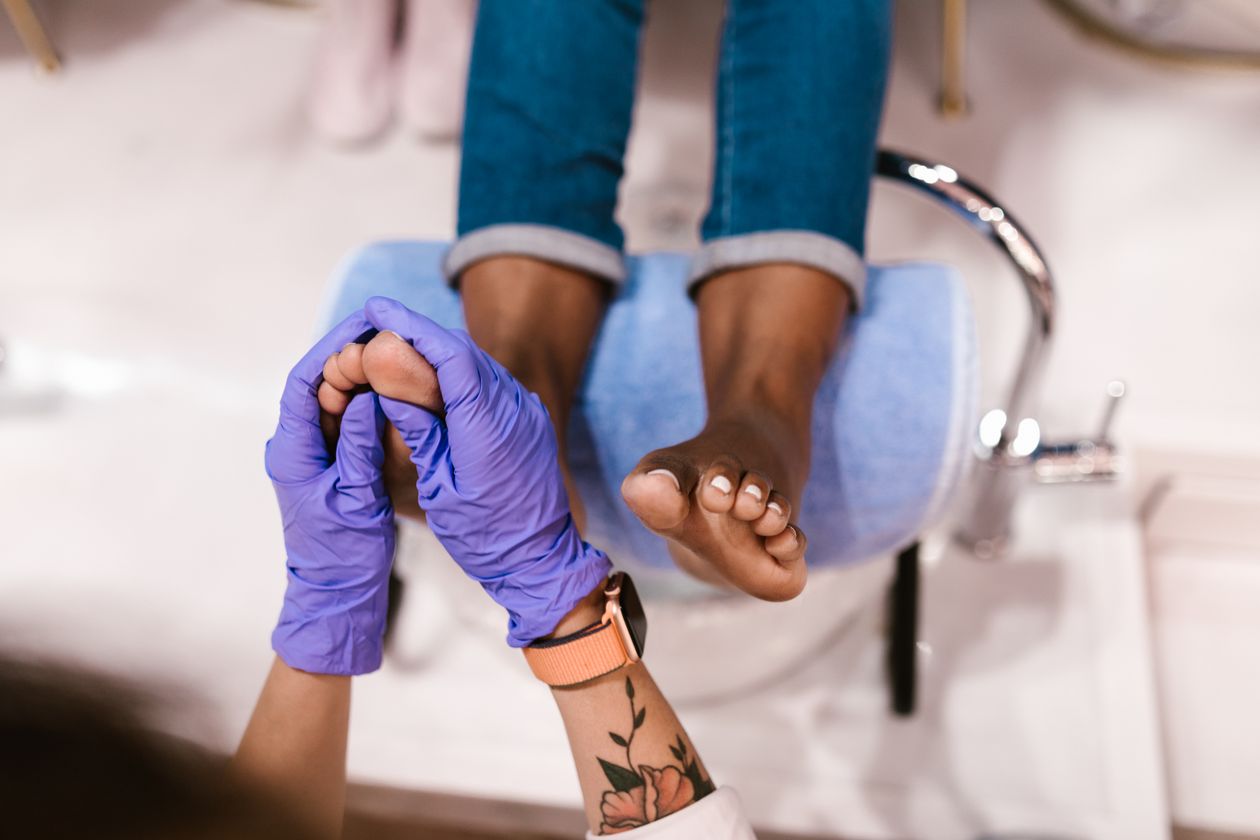
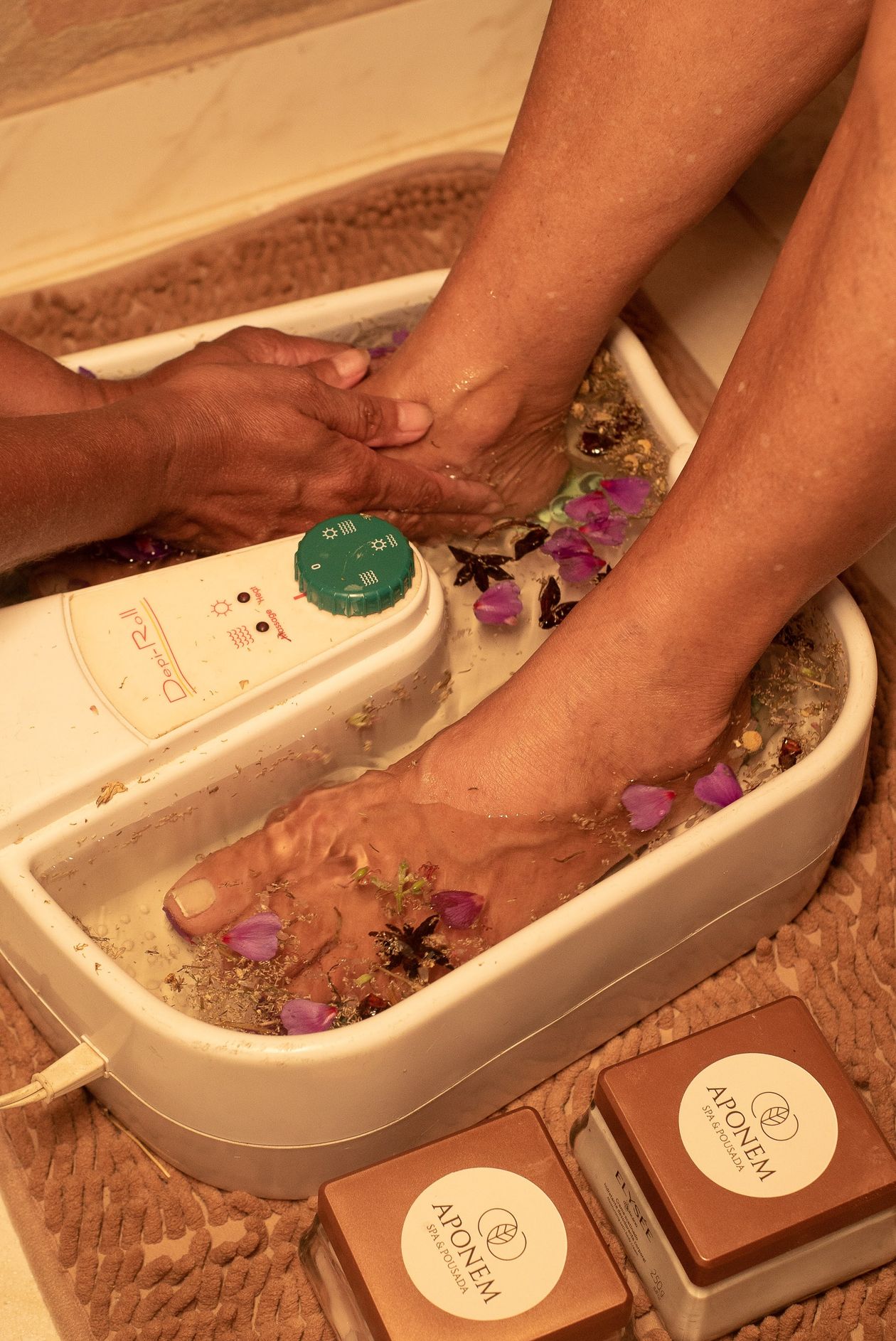
Photos in this guide are representative stock images.
← All guides from Herbal Spa & Nails← Back to Herbal Spa & Nails