Some jobs are simply harder on nails than others. A nurse in south Charlotte may sanitize her hands dozens of times in a shift. A teacher handles paper, whiteboard markers and playground duty in August heat. A plumber or electrician grips, twists and reaches into places that punish long nails on the first day. Standard salon advice, written for office hands, does not survive contact with those weeks.
The answer is not to give up on cared for nails. It is to choose length, product and home habits that fit the work. A short, strong, neat set that survives your job beats a long set that snaps by Wednesday and leaves your natural nails worse than before.
Length and product choices that hold up at work
Short is a feature, not a compromise. Nails at or just past the fingertip have far less leverage acting on them, so they break less, collect less under the edge, and work inside gloves without pressing. Round and oval shapes remove the corners that catch on packaging, fabric and equipment.
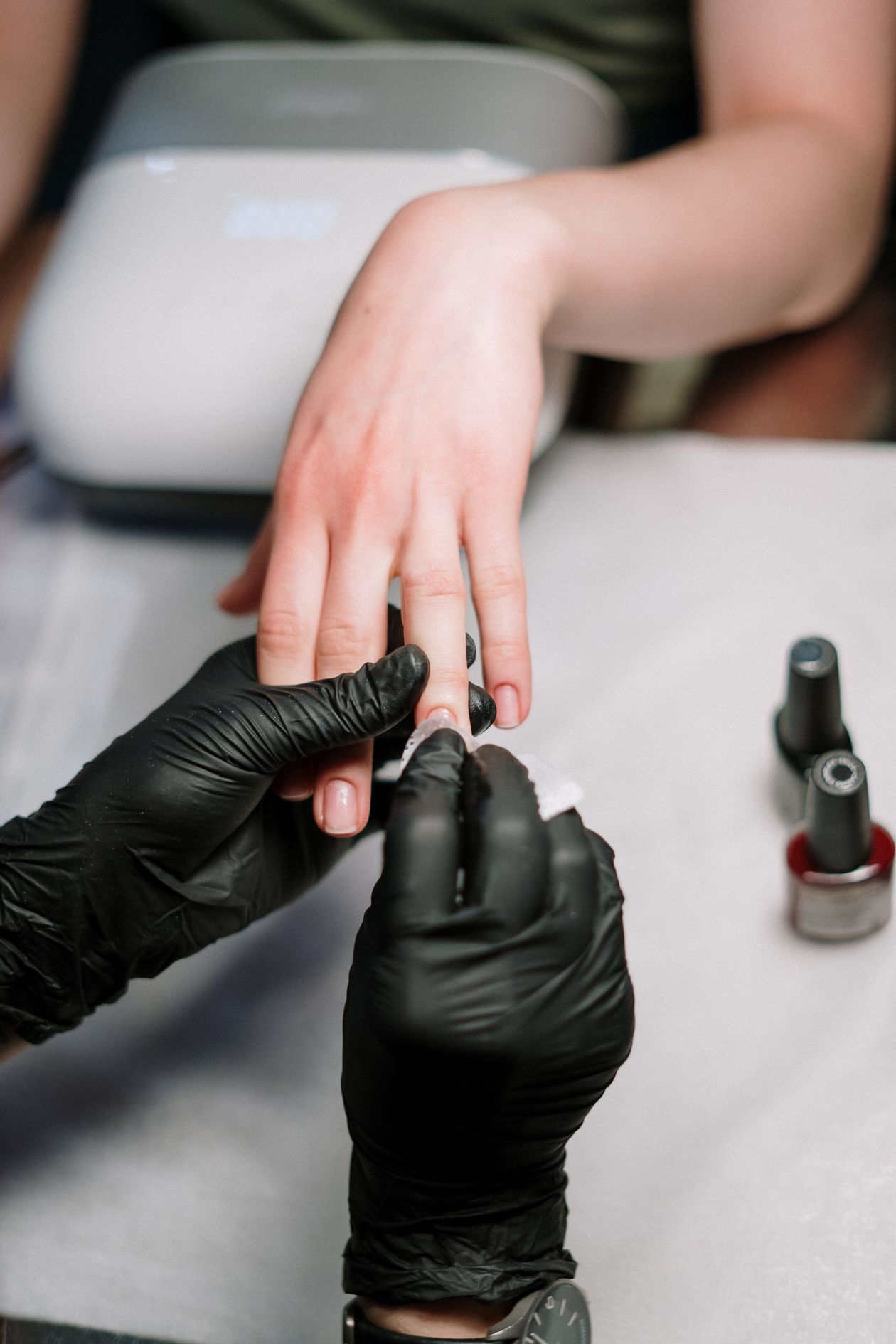
For product, gel on natural nails suits people who need a tidy finish with some chip resistance. Dip or a structured build suits people whose natural nails are thin and split at the tips. Regular polish is the honest choice for anyone whose workplace restricts coatings, or who would rather change color at home weekly than maintain a salon set.
Moisture under constant washing
Alcohol sanitizer and soap are hard on the skin around nails, and cracked cuticles are more than untidy. They sting with every sanitizer use and they tempt picking during a long shift. The workable habit is cream at set points in the day, after lunch, at shift end, and before bed, rather than a vague intention to moisturize more.
Keep a small tube where you will actually use it, locker, car console or scrub pocket if allowed. At night, a heavier application does the repair work while you sleep. People who do this for two weeks usually notice their cuticles stop splitting, and their sets stop lifting at the base, because the skin and the coating are no longer fighting each other.
Feet, for the people who stand all shift
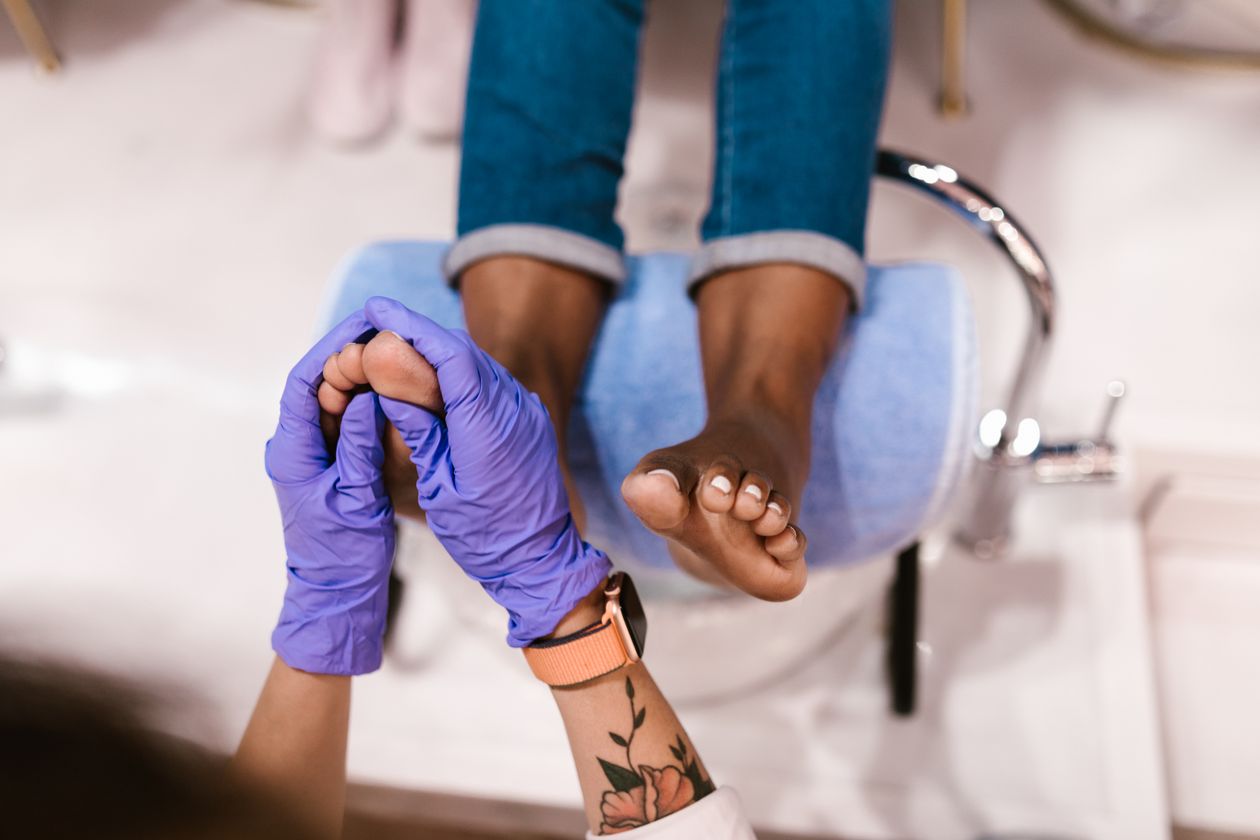
Long standing shifts build callus in predictable places and push fluid into feet and ankles by evening. A pedicure every four to six weeks keeps callus from cracking and toenails from pressing inside work shoes, and the massage portion is, for many shift workers, the main reason they book at all.
Between visits, rotate work shoes when you can, trim toenails straight across on a rest day rather than a tired evening, and give heels nightly moisturizer in winter when cracked skin is most common. Small, regular care keeps feet out of the cycle where every appointment becomes a rescue operation instead of maintenance.
Workplace rules come first
Many hospitals, food workplaces and labs set their own rules about nail length, polish and artificial nails, often for infection control or safety reasons. Those rules override salon advice and fashion alike, and they differ between employers and even between units. Check yours before booking a set you may be asked to remove before your next shift.
If coatings are off the table, a salon visit still has plenty to offer: shaping, cuticle care, buffing to a clean shine and serious skin care for hands punished by washing. A no-polish manicure is a real service, not a consolation prize, and for many working hands it is the one that fits the job best.
Small changes compound across a working week.
Common questions
What nail length works best for nursing and clinical jobs?
Short, at or just past the fingertip, with rounded edges. Always follow your own workplace policy, which comes before any salon advice.
Will constant hand washing ruin a gel set?
It shortens wear somewhat and dries the surrounding skin. Gloves for cleaning tasks and daily cuticle moisture keep most sets on track.
Is regular polish a sensible choice for hard working hands?
Yes. It is easy to repair at home, easy to remove for policy changes, and on short nails it can look neat and deliberate.
Photos in this guide are representative stock images.
← All guides from Herbal Spa & Nails← Back to Herbal Spa & Nails